What is Vestibular Migraine

Vestibular migraines are a type of migraine that cause dizziness, balance problems, and other symptoms related to the inner ear. Researchers believe that these migraines happen due to a complex interaction between the parts of the brain responsible for pain and balance. This article will help you understand the science behind vestibular migraines in simpler terms.

In people with vestibular migraines, the brain seems to be more sensitive to head movements. This sensitivity is thought to be caused by an issue in the part of the brain called the cerebellar vermis, which plays a role in balance and coordination. Some studies have shown that the brain areas responsible for balance and pain may be more active during a migraine attack, making a person more sensitive to their surroundings.
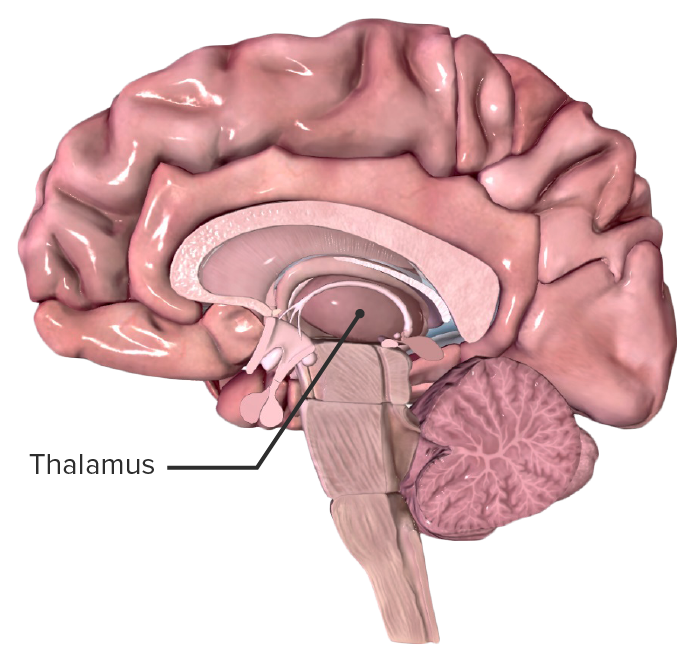
The thalamus, a part of the brain that acts as a relay station for sensory information, is also involved in vestibular migraines. It helps process information from our eyes, ears, and sense of touch. Researchers think that during a migraine attack, the thalamus might become temporarily more sensitive, which can lead to increased perception of motion and dizziness. This could also explain why some people with migraines are more likely to experience motion sickness.
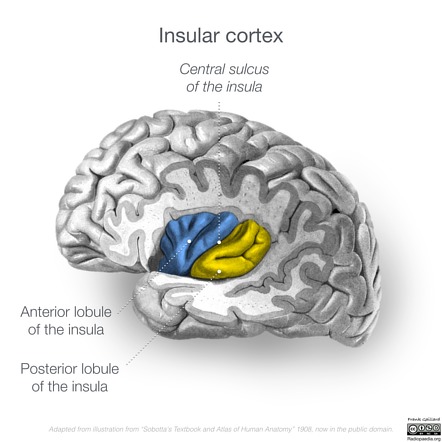
There are several areas of the brain that help process balance and pain signals. One of these areas is called the insula, which is involved in both balance and pain processing. The insula is thought to be a place where these two types of signals can interact, which might explain why people with vestibular migraines have both pain and balance problems.
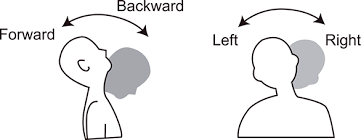
Imaging studies have shown that during vestibular migraines, certain brain pathways responsible for balance and pain become more active. These findings help support the idea that vestibular migraines are related to changes in the way the brain processes sensory information. People with migraines have been shown to be more sensitive to various types of sensory stimuli, which might make them more likely to experience issues with balance and pain.
In summary, researchers believe that vestibular migraines happen due to changes in the way the brain processes sensory information. This can lead to increased sensitivity to head movements, pain, and other sensory stimuli. The exact cause of these changes is still being studied, but it is thought that multiple parts of the brain, including those responsible for pain, balance, and emotions, might be involved.